Buying your first home in Rockland County can feel exciting right up until you see the numbers. Between high home prices, local property taxes, closing costs, and the choice between a house, condo, or co-op, it is easy to feel unsure about your next step. The good news is that with the right plan, you can shop smarter and avoid common first-time mistakes. This guide walks you through what to expect in Rockland County so you can move forward with more confidence. Let’s dive in.
Rockland County Market Basics
Rockland County remains a high-cost suburban market, and that shapes how most first-time buyers need to search. County housing data shows that about 65.7% of the housing stock is single-family detached or attached, while about 33% is multifamily. In practical terms, that means your options may lean more toward houses, townhome-style properties, condos, and co-ops rather than a large pool of traditional starter homes.
Recent MLS numbers help explain why many first-time buyers feel pressure. In January 2026, the median sales price in Rockland County was $745,000 for single-family homes, $442,000 for condos, and $133,500 for co-ops. Active inventory included 339 single-family listings and 114 condo listings, with average days on market of 58 for single-family homes and 42 for condos.
Those numbers point to an important takeaway: in Rockland, your first decision is often property type, not just budget. Single-family homes usually come with the highest price tag, condos can be a more accessible middle option, and co-ops may offer a lower entry price but different monthly costs and approval rules.
Start With a Real Monthly Budget
A lot of first-time buyers focus on the down payment and forget the other costs that shape affordability. That can lead to shopping too high and feeling stretched later. In Rockland County, it is especially important to build your budget around the full monthly payment, not just the mortgage.
Closing costs are a major part of that picture. Consumer guidance from CFPB says closing costs typically run about 2% to 5% of the purchase price, not including your down payment. At Rockland’s January 2026 median prices, that could mean roughly $14,900 to $37,250 on a median-priced single-family home and about $8,840 to $22,100 on a median-priced condo.
You should also leave room for early ownership expenses. Moving costs, repairs, furniture, utility setup, and basic home supplies can add up quickly in the first few months. Keeping extra cash in reserve can help you start ownership with less stress.
Understand Rockland Property Taxes
Property taxes matter a lot in Rockland County. New York treats property taxes as a local tax, and Rockland’s county tax structure means your costs can vary meaningfully depending on the exact address. County and town taxes are billed through town receivers, and January payments are interest-free, while later payments can carry interest or penalties.
This is one reason two homes with similar list prices may not feel equally affordable. Rockland County includes five towns, 19 incorporated villages, and eight public school districts. Because of that structure, the total tax bill can change materially from one property to the next.
Before you commit to a price range, ask for the actual tax amounts tied to the address you are considering. You should also check whether STAR savings or other local exemptions may apply, since New York publishes STAR savings by municipality and school district. That can make a noticeable difference in your monthly payment.
Know the Mansion Tax Threshold
Most first-time buyers will not run into New York’s mansion tax, but some will, especially if they stretch into the upper end of the market. New York imposes an additional 1% transfer tax on residential purchases of $1 million or more.
That means a purchase at or above that threshold comes with another cost to plan for at closing. If your search is getting close to seven figures, make sure you understand how that extra tax affects your cash needed to close.
Compare Your Main Loan Options
Your financing path can shape both your monthly payment and how competitive your offer looks. Rockland County’s home prices are high, but many properties still fit within conventional conforming financing because the 2026 one-unit conforming loan limit is $1,209,750.
Here are some common first-time buyer loan paths to know:
Conventional Loans
Conventional loans are the most common mortgage type. If you put down less than 20%, you will usually need mortgage insurance. For many Rockland buyers, conventional financing remains a realistic option because of the county’s local price range and the current conforming loan limit.
FHA Loans
FHA loans can go as low as 3.5% down for eligible buyers. They are available on 1- to 4-unit properties, but mortgage insurance is required. FHA loans can also be easier for borrowers with lower credit scores.
VA Loans
If you are an eligible veteran, service member, or qualifying surviving spouse, a VA loan may offer no-down-payment financing. The VA program also does not require monthly mortgage insurance, which can improve affordability.
SONYMA Programs
For New York first-time buyers, SONYMA deserves special attention. The state offers programs including Achieving the Dream and Low Interest Rate, plus optional down payment assistance that can be used toward down payment and closing costs.
For qualified first-time buyers, SONYMA’s Achieving the Dream program offers a 30-year fixed-rate mortgage for 1- to 4-family homes, condos, and co-ops. It also offers down payment assistance of $3,000 or 3% of the purchase price, up to $15,000.
For Rockland County, SONYMA’s current Achieving the Dream limits list a one-family purchase price cap of $1,255,920. Income limits are $155,520 for 1- to 2-person households and $181,440 for households of 3 or more. SONYMA also states that its programs can be combined with other grants and subsidies.
Choose the Right Property Type
In Rockland County, what you buy matters just as much as how much you spend. A single-family house, condo, and co-op can lead to very different monthly costs, responsibilities, and review steps.
Single-Family Homes
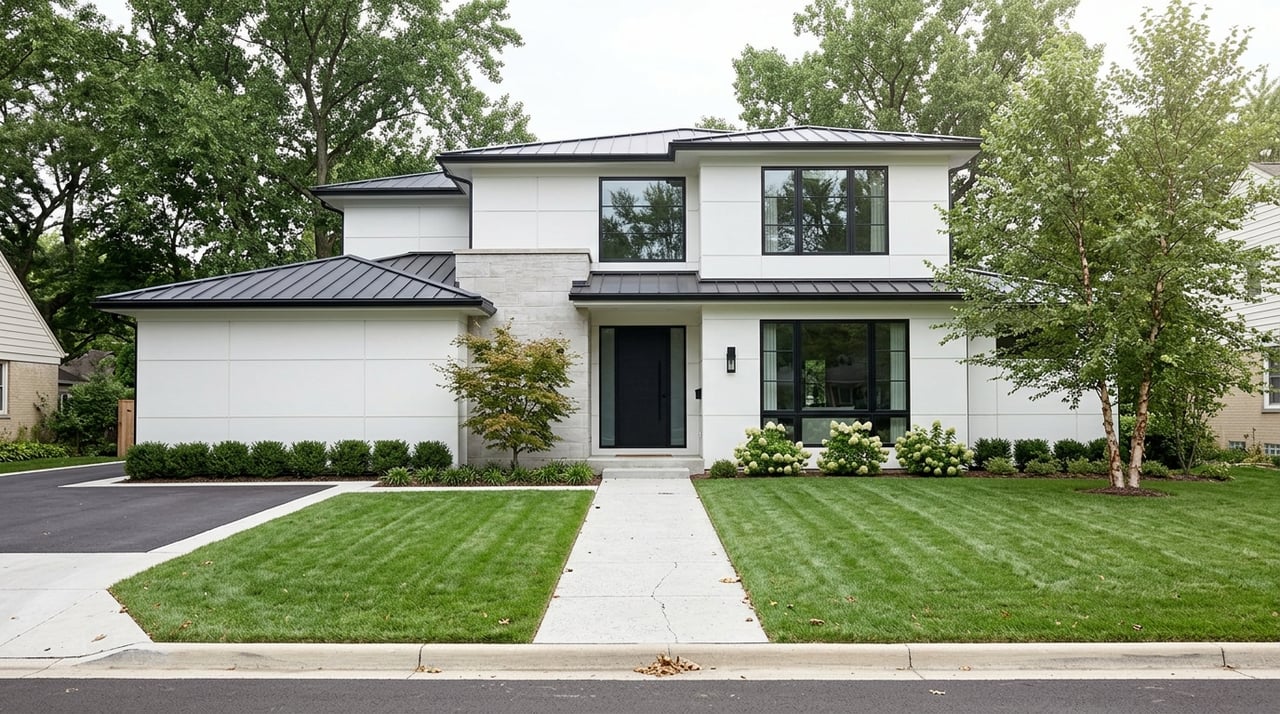
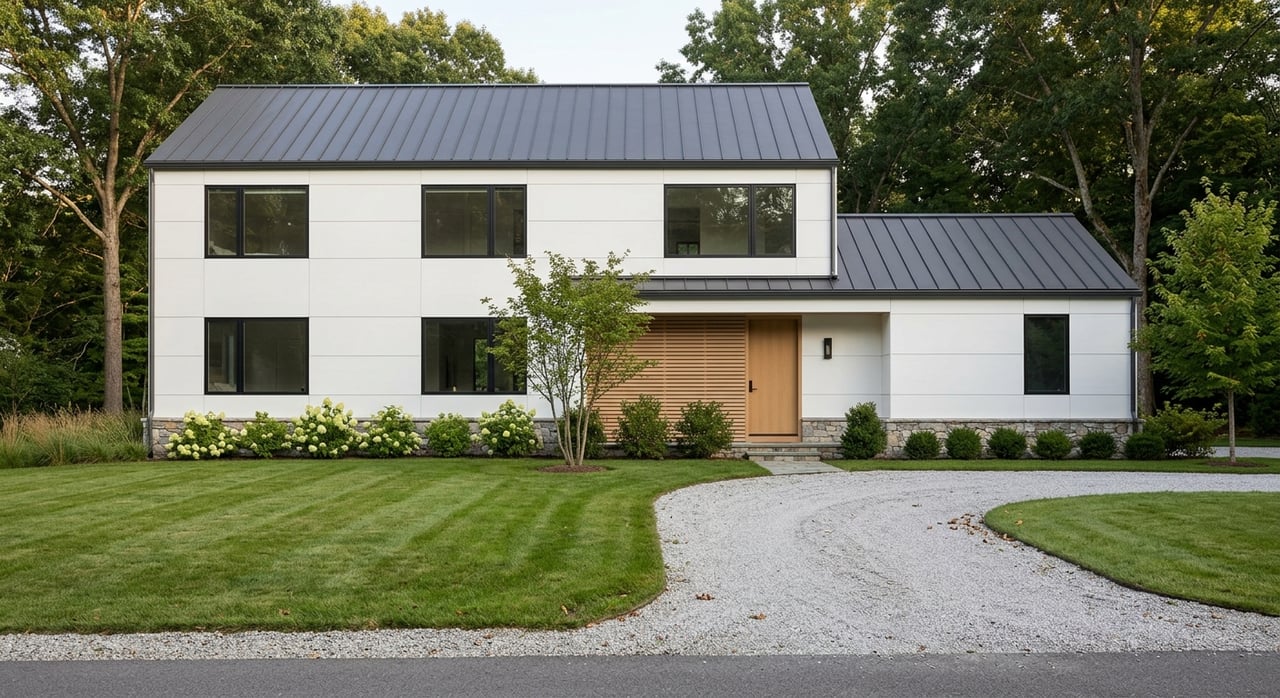
Single-family homes offer more independence, but they are usually the most expensive entry point in Rockland. You will also be responsible for maintenance, repairs, and property upkeep. For buyers who want space and more control over the property, that tradeoff may be worth it.
Condos
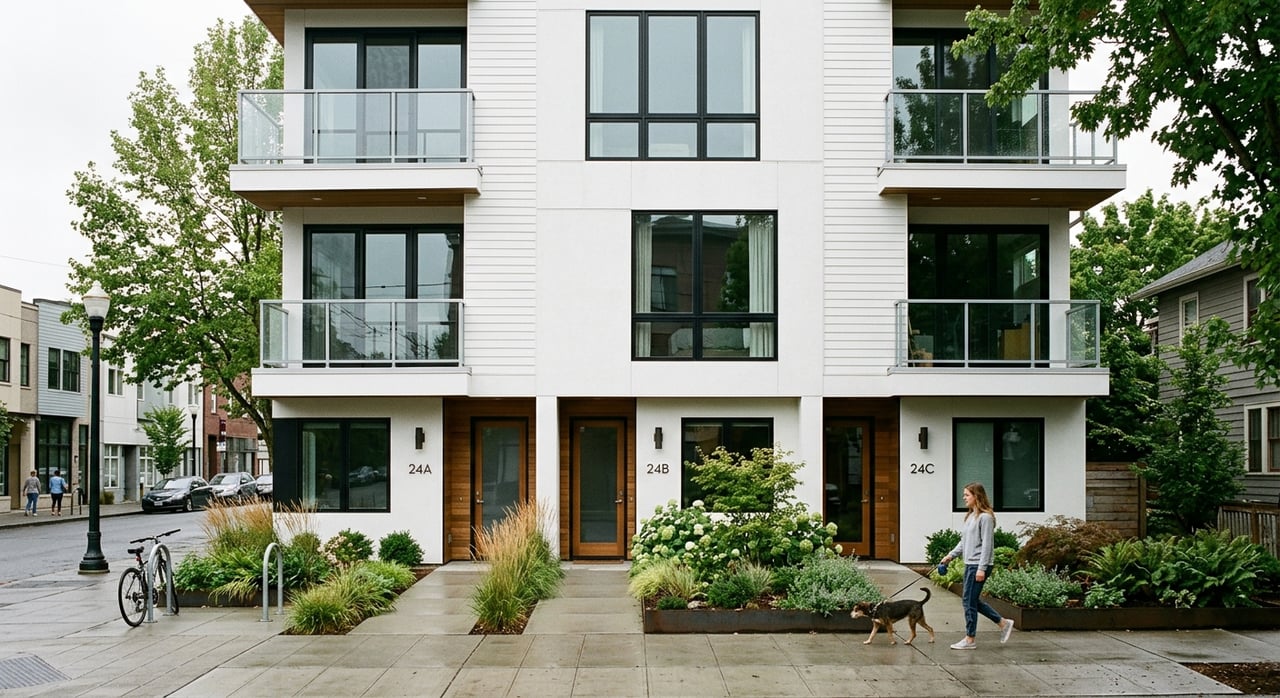
Condos can be a practical middle ground. The purchase price may be lower than a detached home, but you also need to factor in common charges and the financial health of the building or community. A lower price does not always mean a lower monthly payment.
Co-ops
Co-ops often have the lowest purchase prices, but they work differently from condos and houses. In a co-op, you pay maintenance charges based on the number of shares tied to the apartment. The lower entry price can be appealing, but building rules, review requirements, and monthly maintenance need close attention.
Review Condo and Co-op Documents Carefully
If you are buying a condo or co-op, due diligence is a big part of the process. The New York Attorney General advises buyers to read the full offering plan, speak with a lawyer before signing, and review board minutes and recent financial reports.
That review matters because larger building issues may not be obvious during a showing. Facades, roofs, elevators, plumbing, electrical systems, and boilers can all create major costs. For condos and other shared communities, common charges, reserve funding, and possible special assessments can directly affect affordability.
This is one area where first-time buyers benefit from asking detailed questions early. Do not stop at the list price. Ask what the monthly charges are, whether there have been recent assessments, and what documents are available for review.
Get Ready Before You Tour
In an active market, preparation gives you options. January 2026 MLS data shows single-family homes in Rockland selling at 98.0% of original list price and condos at 100.1%, with average days on market of 58 and 42 respectively. That suggests a market that is not at peak frenzy, but still active enough that waiting too long can cost you a good opportunity.
The smartest move is to get preapproved before you start touring seriously. That helps you understand your real price range and makes it easier to act when the right property comes up. It also helps you avoid falling in love with homes that do not match your financing comfort zone.
Plan for the Closing Process
Once you are in contract, timing and paperwork become the focus. CFPB recommends scheduling a home inspection, shopping for homeowners insurance and title insurance, and completing a final walk-through before signing closing papers.
You may also be able to negotiate seller credits to help offset repairs or closing costs, but those are negotiated as part of the deal. They are not automatic, so it helps to understand your leverage and priorities before making or responding to an offer.
For resale purchases, some of the biggest timing issues are often the inspection, appraisal, and document review period. If you are buying in a condo or co-op building, that review can take on even more importance.
New Construction in Rockland
If you are considering new construction, your timeline may look a little different. One advantage for qualified SONYMA buyers is that the Achieving the Dream program includes 120-day rate locks for existing housing and 240-day rate locks for properties under construction or rehabilitation.
That longer lock window can be useful when a completion date is less predictable. For buyers interested in condos, townhomes, or presale opportunities, having a clear financing plan and realistic timeline can make the process smoother from day one.
Smart First-Time Buyer Tips
As you prepare to buy in Rockland County, keep these practical steps in mind:
- Build your budget around the full monthly cost, including taxes and association charges.
- Compare property types before assuming a house is your only option.
- Ask for the actual tax bill tied to each address.
- Review STAR savings or other local exemptions before finalizing your budget.
- Leave room for closing costs, moving expenses, and early repairs.
- Read condo or co-op documents carefully before moving forward.
- Get preapproved before touring seriously.
- Understand whether your price range could trigger New York’s mansion tax.
Final Thoughts
Buying your first home in Rockland County is a big step, and it helps to approach it with clear numbers and a local strategy. The market can be competitive, and the right choice often comes down to balancing property type, taxes, monthly costs, and timing.
If you want guidance that is practical, responsive, and tailored to Rockland County, connect with Moshe Karniol. Whether you are comparing condos, co-ops, single-family homes, or new-construction opportunities, you can get help building a plan that fits your goals.
FAQs
What is the median home price for first-time buyers in Rockland County?
- As of January 2026, the median sales price was $745,000 for single-family homes, $442,000 for condos, and $133,500 for co-ops in Rockland County.
How much should a first-time buyer budget for closing costs in Rockland County?
- A common estimate is about 2% to 5% of the purchase price, not including the down payment.
Are condos more affordable than houses in Rockland County?
- Condos often have a lower purchase price than single-family homes, but you also need to factor in common charges and any building-related costs.
What should a Rockland County buyer know about co-ops?
- Co-ops can have a lower entry price, but buyers should review maintenance charges, building rules, financial reports, and board documents carefully.
Does property tax vary a lot within Rockland County?
- Yes. Because Rockland has multiple towns, villages, and public school districts, tax bills can vary significantly by address.
What first-time buyer help is available in Rockland County, New York?
- SONYMA offers programs for qualified first-time buyers, including 30-year fixed-rate options and down payment assistance that may be used for down payment and closing costs.