Buying into a condo, townhouse, or planned community in Rockland County can look simple at first, then get confusing fast once you see an HOA or community fee on top of the mortgage. If you are comparing homes, that extra monthly cost can raise important questions about what you are really paying for and whether the fee is worth it. The good news is that with the right review process, you can understand those charges clearly and avoid costly surprises later. Let’s dive in.
HOA Fees in Rockland County
In Rockland County, HOA dues or condo fees are common in condos, townhomes, and planned communities. These fees are generally paid directly to the association, not through your mortgage servicer, so they should be treated as a separate part of your monthly housing budget.
That means your true monthly cost is usually made up of several pieces, not just your loan payment. You will want to look at the mortgage, property taxes, insurance, HOA or condo fees, and other ownership costs together before deciding what feels affordable.
What HOA and Community Fees Cover
Association fees are meant to support shared property and shared services. In many Rockland County communities, that can include maintenance of common areas, landscaping, snow removal, roofs, roads, recreation facilities, and other common elements.
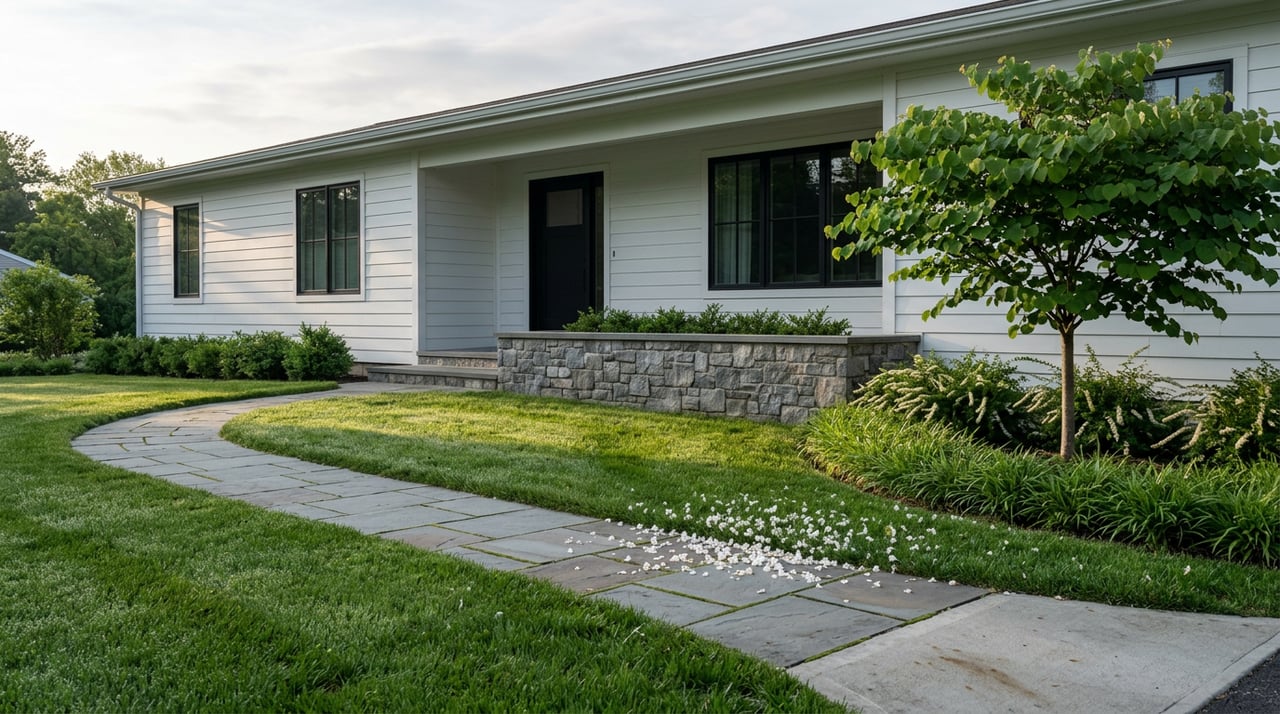
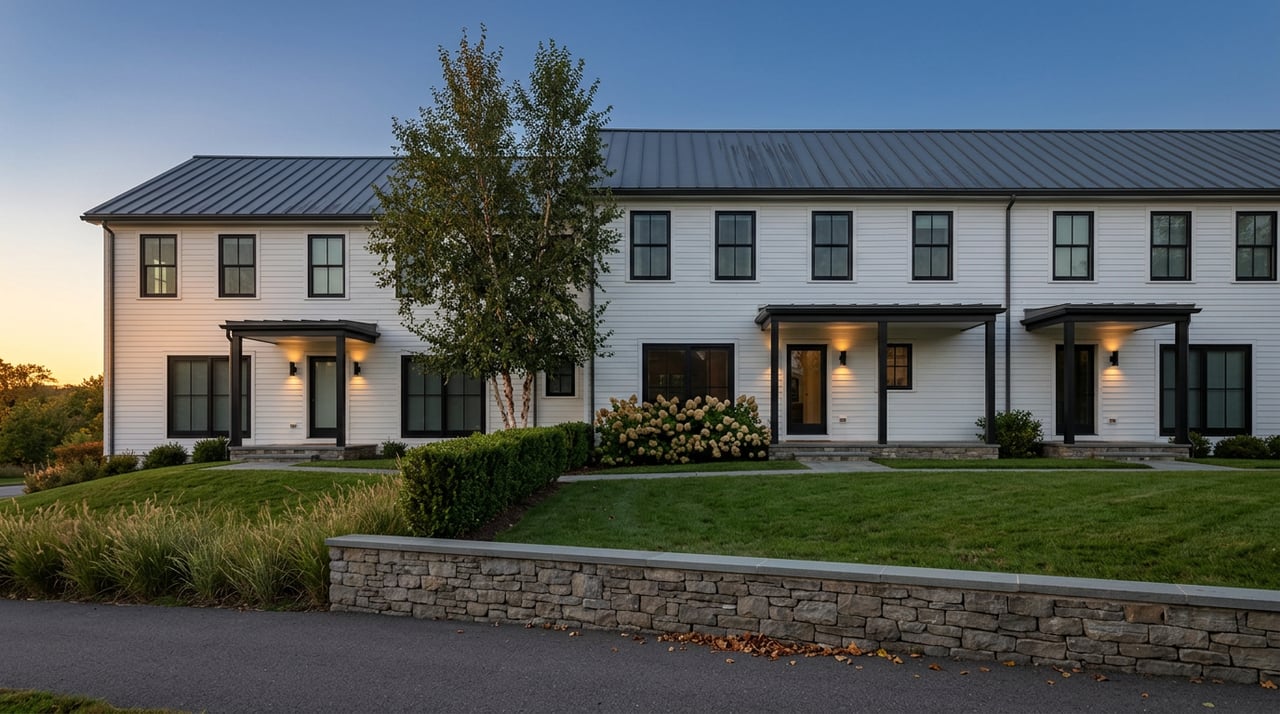
For townhouse-style communities, it is especially important to find out who owns and maintains items like roads, sidewalks, drainage systems, and retaining walls. Those details matter because they affect both your monthly expenses and the risk of future repair costs.
Fees also help cover the administrative side of the community. An HOA or condo board may collect fees, manage the annual budget, enforce rules, and oversee standards for items such as parking, pets, fences, or exterior changes.
What These Fees May Not Cover
One of the biggest mistakes buyers make is assuming the HOA fee replaces other major housing costs. In most cases, it does not cover your mortgage payment, and it usually does not include property taxes.
Insurance can also be split between the association and the owner. The association may insure common areas and some exterior portions, while you may still need your own policy for interior coverage and personal property.
Why a Low Fee Is Not Always Better
A lower monthly fee can look attractive when you are trying to keep costs down. But a smaller number does not automatically mean a better value.
Fees can vary based on the property’s age, condition, amenities, and financial needs. In some communities, a lower fee may reflect fewer services or less money set aside for future repairs, which can increase the chance of larger costs later.
That is why it helps to look beyond the headline number. A community with a higher monthly fee may offer stronger reserves, broader maintenance coverage, or fewer unexpected repair bills.
Reserve Funds and Special Assessments
A healthy reserve fund is one of the most important things to review before you buy. Reserve funds are money set aside for future major repairs, such as roof replacement or other large shared expenses.
If the association does not have enough in reserves, owners may face a special assessment. A special assessment is an added charge used to pay for unexpected or one-time major costs, such as structural repairs or replacement of shared systems.
In practical terms, this means you should ask not only what the monthly fee is today, but also whether the community is financially prepared for tomorrow. A modest fee increase over time can be manageable, while a large surprise assessment can be much harder to absorb.
Documents to Review Before You Commit
Before signing a contract, buyers in Rockland County should review the association’s key documents carefully. New York guidance points buyers to the offering plan, bylaws, declaration or CC&Rs, recent budgets, financial statements, reserve studies, and board minutes.
These records can tell you far more than a listing sheet ever will. They can show how the community is run, what owners are responsible for, whether reserves appear adequate, and whether any major costs may be coming.
New York also advises buyers to consult an attorney before signing a purchase agreement, especially if a seller or sponsor made promises that do not appear in the written plan or contract. That is particularly important in any community where amenities, finishes, or shared features are part of your decision.
Watch for Deferred Maintenance
When you review a condo or townhouse community, do not focus only on the unit itself. You should also look for signs of building-wide or community-wide maintenance issues that could affect future costs.
Board minutes, financial reports, and local building violations can reveal concerns such as facade work, roof repairs, elevator updates, plumbing upgrades, or boiler replacement. These are the kinds of shared expenses that can lead to higher fees or special assessments.
If the records suggest repairs have been delayed, that is worth taking seriously. Deferred maintenance does not always mean you should walk away, but it does mean you should price the risk into your decision.
Sponsor Sales vs. Resales
In Rockland County, the difference between a sponsor sale and a resale can matter more than many buyers expect. In a sponsor sale, the original developer is selling the property, and the offering stage is regulated by the New York Attorney General.
In a resale, the seller is typically an individual owner. In that case, you may not receive the same type of current offering-plan disclosure, so your review of the contract, inspection results, and association records becomes even more important.
This is especially relevant if you are considering newer construction or a community that still feels newly built. If something important influenced your decision, make sure it is documented clearly rather than assumed.
Questions to Ask About HOA Fees
If you are comparing communities in Rockland County, these questions can help you get a clearer picture:
- What exactly is included in the monthly fee?
- What is excluded from the fee?
- How much money is in the reserve fund?
- Have there been any recent or pending special assessments?
- Who is responsible for snow removal, landscaping, roofs, roads, drainage, sidewalks, and retaining walls?
- What does the master insurance policy cover?
- What must the owner insure separately?
- Are there rules about pets, rentals, parking, exterior changes, or approval for improvements?
- Has the community had any recent major repairs, litigation, or sponsor-control issues?
These questions can help you compare two similar-looking properties more accurately. They can also help you avoid choosing a home based only on the listing price while missing the bigger monthly and long-term cost picture.
Budgeting for HOA Costs in Rockland County
The safest way to approach HOA fees is to treat them as a long-term housing cost, not just a current monthly line item. Fees can rise over time, so it is smart to leave room in your budget for increases.
That is especially true if you are buying new construction, moving up to a larger property, or choosing a low-maintenance lifestyle in a condo or townhome community. The convenience of shared upkeep can be a real benefit, but it works best when you understand both the value and the financial structure behind it.
A clear review upfront can help you buy with confidence. It can also make it easier to decide whether one Rockland County community is truly a better fit for your budget, priorities, and ownership goals.
If you are weighing condo, townhouse, or planned community options in Rockland County, the right guidance can make the numbers and documents much easier to sort through. For tailored help reviewing properties, comparing monthly costs, and understanding what to ask before you commit, connect with Moshe Karniol.
FAQs
What are HOA fees in Rockland County homes?
- HOA fees in Rockland County are monthly charges paid to a homeowners association or condo association to help cover shared maintenance, services, administration, and common property expenses.
What do condo or community fees usually include in Rockland County?
- Condo or community fees often include items such as common-area maintenance, landscaping, snow removal, roofs, roads, recreation facilities, and other shared services, depending on the community.
Do HOA fees in Rockland County include property taxes?
- In most communities, HOA fees do not include property taxes, and they also do not replace your mortgage payment.
How can Rockland County buyers check if an HOA is financially healthy?
- Buyers can review budgets, financial statements, reserve studies, and board minutes to understand reserves, maintenance planning, and the risk of future special assessments.
What is a special assessment in a Rockland County condo or HOA community?
- A special assessment is an extra charge owners may have to pay when the association needs money for a major unexpected or one-time expense.
What documents should buyers review before buying in a Rockland County HOA community?
- Buyers should review the offering plan, bylaws, declaration or CC&Rs, recent budgets, financial statements, reserve studies, and board minutes before committing.