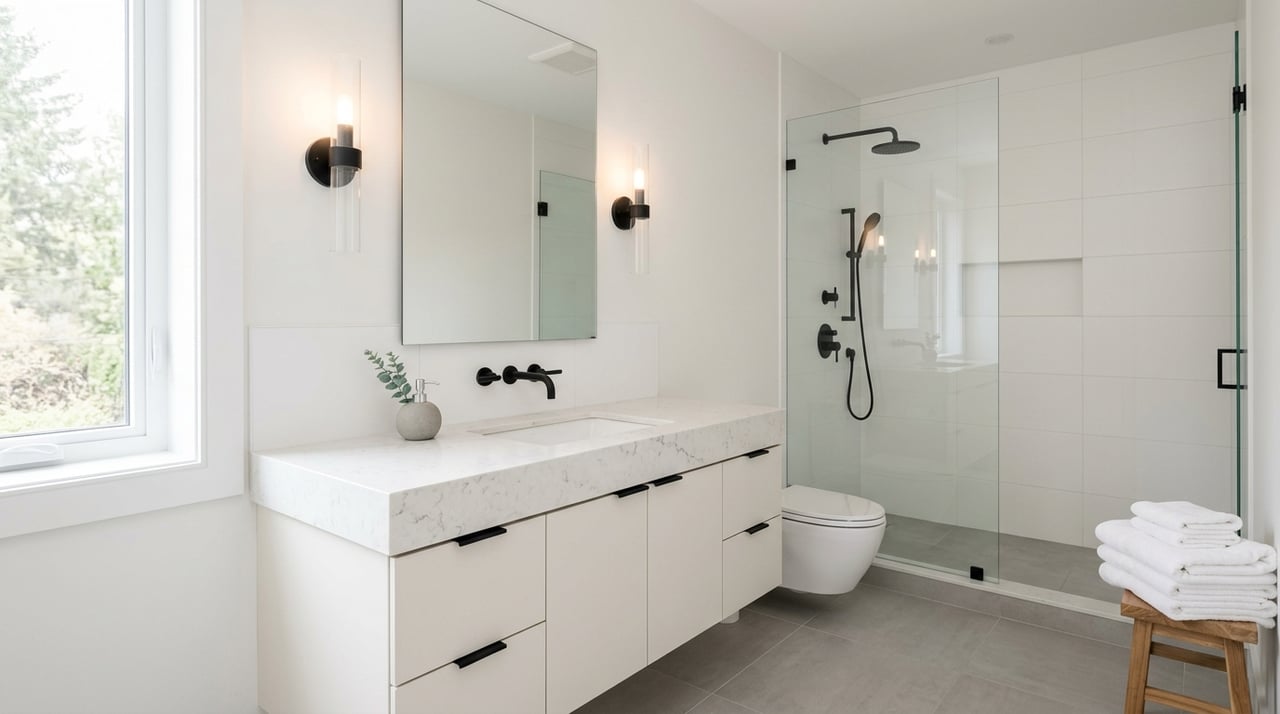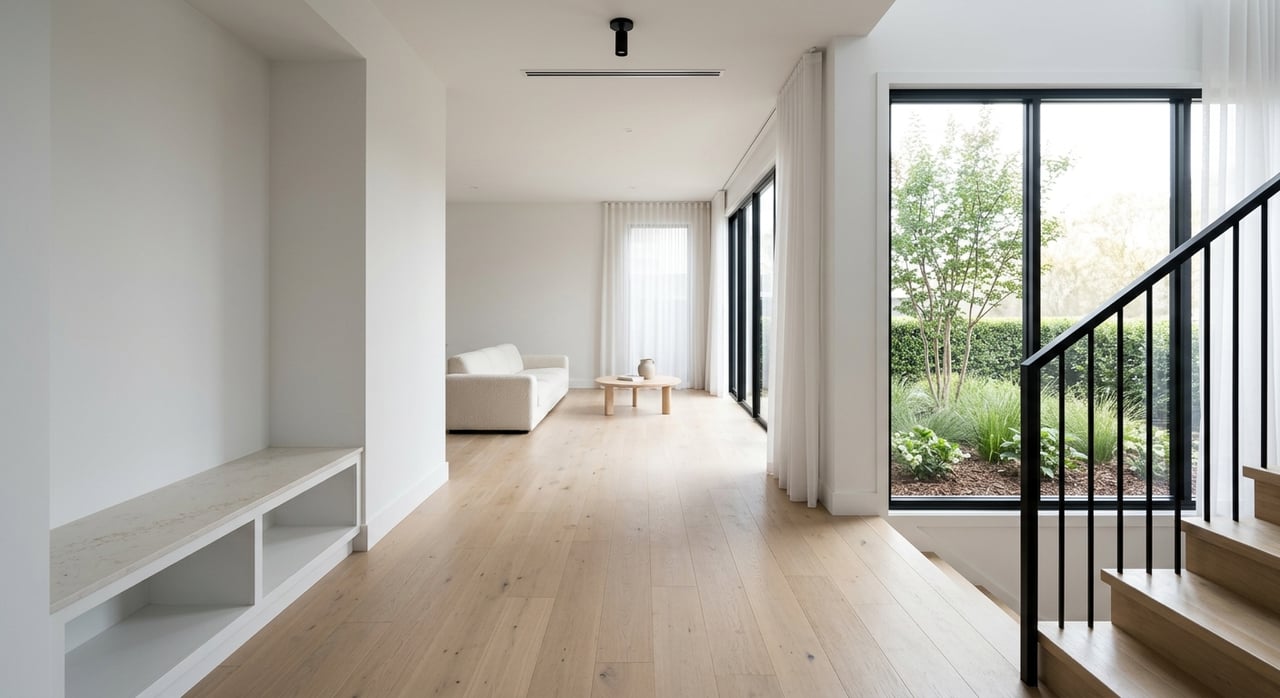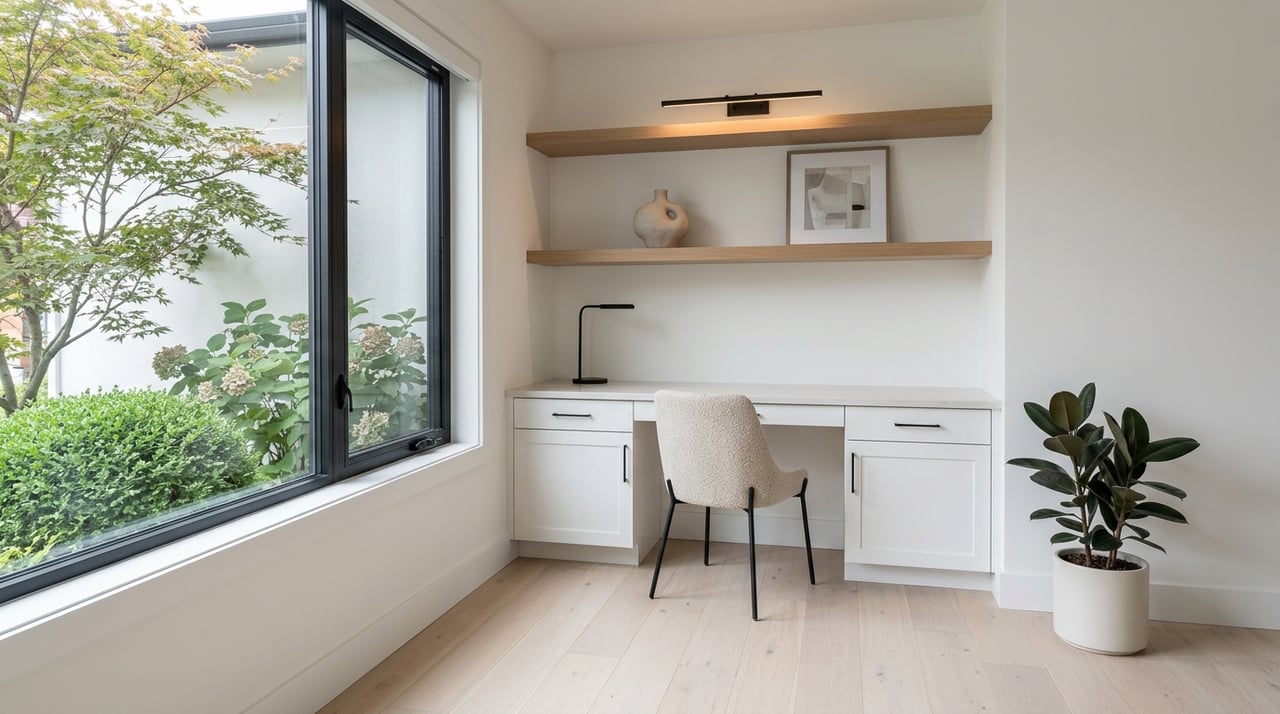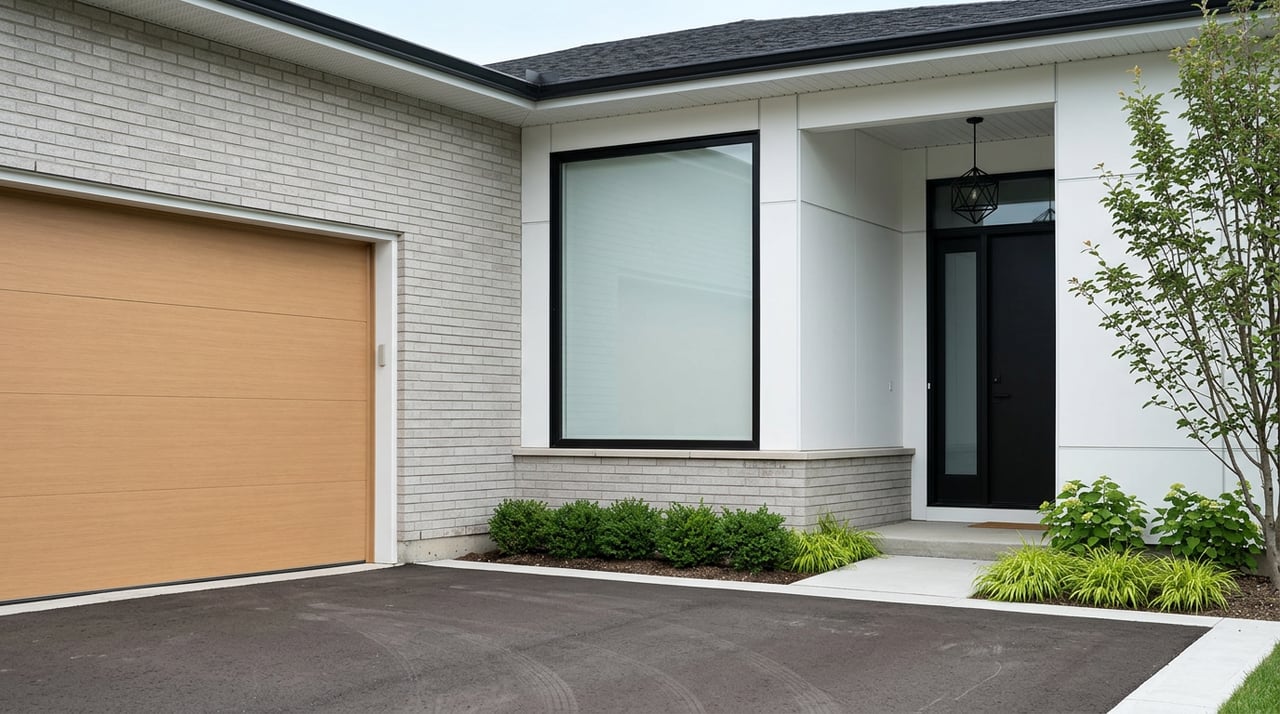
Thinking about a brand-new home in Rockland County but not sure where builders are actually building or how the process works? You are not alone. With limited land and a mix of infill and redevelopment projects, buying new here looks different than in large master-planned suburbs. In this guide, you will learn where new homes are going up, how presales compare with quick-move-in options, what incentives to expect, which contract details to watch, and how a local buyer’s agent helps you protect your time and budget. Let’s dive in.
Where builders are building
Rockland is a constrained market. The county actively preserves open space and also funds affordable housing, which focuses much of the new residential activity into targeted infill and redevelopment sites. County updates highlight ongoing open-space efforts that limit broad greenfield construction, so expect smaller projects and town-center locations rather than sprawling subdivisions. You can see this focus in local announcements about preservation and housing programs from the county itself.
State-backed affordable and supportive housing has been a major recent theme. Projects such as Vincent’s Village in Nanuet and the Haverstraw development called 30 West show how new construction is being steered to redevelopment and walkable hubs. These examples signal where municipalities are approving residential growth and infrastructure.
Private single-family building still happens, just in smaller clusters. Historically, new single-family homes and custom builds appear in places with available lots and supportive zoning, including parts of Stony Point, the Pomona and New City area, and portions of Clarkstown and Ramapo. Most are limited-phase subdivisions or infill lots, not large-scale production communities. If you want new construction in Rockland, plan for a tighter, more local search that targets specific towns and approved sites.
New-home paths explained
Presale or to-be-built
You sign early on a lot or floor plan, then pick finishes at the design center. The purchase agreement is usually the builder’s own form, which often includes strict milestones and builder-friendly terms. You typically close after the home is complete, so budget time for selections and approvals. It is smart to have your agent or attorney review the builder’s agreement before you sign.
Spec or quick-move-in
These homes are already built or close to finished, so you can close sooner. Specs are ideal if you want new without the wait, and some come with pricing or financing incentives tied to a faster closing. You will have fewer customization choices, but you gain certainty on timing.
Custom or lot-build
You buy land and hire a builder, or you work from a semi-custom plan. Expect a more bespoke process, often with a construction loan and staged draws. There can be more flexibility along with more decision points and potential change-order costs.
Timelines and approvals in Rockland
A typical production new build often takes several months, commonly in the 6 to 12 month range from contract to move-in. In Rockland, municipal permitting, utility connections, and road or site acceptance can add time. Many towns have multi-step Certificate of Occupancy procedures, and some allow temporary COs that let you move in before final acceptance. Always ask your builder and the town’s building department how the CO process works where you are buying.
Quick timing outline to set expectations:
- Lot release and contract: review builder agreement, financing preapproval, and deposit schedule.
- Selections and approvals: design center choices and any HOA or town design reviews.
- Construction phase: framing through finishes; build time varies by site and season.
- Inspections and CO: builder quality checks plus your independent inspections; verify if the town issues a temporary or final CO.
- Closing and move-in: timing depends on utility sign-offs and CO status.
Incentives and financing to compare
Many builders are using buyer incentives today. National industry surveys show a majority offering some mix of mortgage rate buydowns, closing-cost credits, free upgrades, and targeted price adjustments to help buyers manage affordability. In Rockland’s smaller communities you may see these applied to selected specs or time-limited promotions, so always ask what is currently available.
Common incentive types to understand:
- Mortgage rate buydowns. Builders may fund points to lower your rate or offer temporary buydowns that reduce your early payments.
- Closing-cost credits. Cash at closing that offsets lender and title fees.
- Design credits or upgrades. Appliance packages or higher-grade finishes from the studio.
- Price or lot-premium adjustments. Often tied to quick-move-in homes.
- Extended rate locks or forward commitments. Some builders arrange a pool of lower-cost rate locks for specific homes. Compare any advertised rate against quotes from independent lenders.
Important tradeoff: preferred-lender deals can be valuable, but you still want to compare total cost. If the builder has an affiliated lender, federal rules require disclosures, and you are free to shop. Get a Loan Estimate from the builder’s lender and at least one independent lender, then compare the effective monthly payment and fees line by line.
Contracts, inspections, and protections
Contract items to watch
- Deposits and refundability. Builder contracts often require larger deposits and may make portions nonrefundable after certain milestones. Confirm the exact schedule and when funds become nonrefundable.
- Escalation clauses. Some agreements allow the builder to pass through specific material or labor cost increases, sometimes with caps. Get any caps or limits in writing.
- Change orders. Upgrades or late selections often carry markups and admin fees. Know the deadlines for selections and the fee schedule.
- Strict milestones. Many builder forms use “time is of the essence” language with hard dates for loan approval, selections, and closing. Put these dates on your calendar and confirm any extensions in writing.
- Occupancy and COs. Some towns issue temporary COs so you can move in before all final improvements are accepted. Understand the difference between temporary and final CO and how that affects utilities, inspections, and taxes in your chosen town.
Inspections and walk-throughs
Even brand-new homes benefit from independent eyes. Where the contract allows, consider inspections at key points such as pre-drywall and a final inspection before closing. Clarify who pays for corrections of items identified before closing and how issues are documented on the builder’s punch list.
Warranty basics
Ask for the warranty booklet in writing. Many builders use a “1-2-10” structure that covers one year for workmanship, two years for major systems like electrical, plumbing, and HVAC, and ten years for structural defects. An insurer-backed structural warranty program can add real value and is often transferable, so confirm if your home is enrolled and how to make a claim.
Closing costs to budget
Budget for items that are common with new construction but may not appear with resales. Examples include impact or developer fees, HOA working-capital contributions, utility-connection fees, and supplemental tax bills after your home is reassessed. Ask your builder and the town what applies to your specific lot.
How your agent helps you win
The on-site salesperson represents the builder. Your buyer’s agent represents you. In presale-heavy communities where the builder drafts the contract, you want someone on your side to review terms, manage deadlines, and help negotiate deposit language, change-order fees, incentives, and post-closing remedies. After recent industry changes, buyers are encouraged to sign a written buyer-representation agreement early and to have their agent register them with the builder on the first visit so representation and compensation are acknowledged up front.
Before you sign: Rockland checklist
- Bring your agent or attorney into the process before your model-home visit. If you go alone, have your agent register you immediately so your representation is recognized.
- Request the full deposit schedule in writing, including when funds become nonrefundable and whether deposits are held in escrow.
- Get two Loan Estimates: one from the builder’s preferred lender and one from an independent lender. Compare the real monthly payment, not just the headline rate, and review any affiliated-business disclosures.
- Confirm warranty coverage. Ask if the home is enrolled in an insurer-backed 1-2-10 program and request the booklet.
- Schedule independent inspections. Aim for at least pre-drywall and final inspections and agree in writing how punch-list items will be handled before closing.
- Call the town’s building department to understand CO timing, acceptance of public improvements, and the potential for supplemental tax bills. Build that timing into your move plan.
Local help and next steps
New construction in Rockland rewards preparation. With limited land and approvals that vary by town, the right plan helps you capture incentives, lock in a workable timeline, and avoid costly surprises. Prodeal Realty Group pairs local market knowledge with developer relationships so you can see opportunities early, compare options, and move with confidence.
Ready to explore new construction in Rockland County? Schedule a consultation with Moshe Karniol to map your options, review contracts, and build a clear path to closing.
FAQs
Where are most new homes built in Rockland?
- New builds often cluster in infill and redevelopment areas due to open-space preservation, with activity in towns like Stony Point, parts of Clarkstown and Ramapo, and projects focused in places like Nanuet and Haverstraw.
What is a Certificate of Occupancy in Rockland?
- A CO is the town’s approval that a home is safe for occupancy; some towns issue temporary COs before final acceptance, which can affect utilities, inspections, and tax timing, so confirm the process early.
Are builder incentives common right now?
- Yes, many builders offer incentives such as rate buydowns, closing-cost credits, and design upgrades; ask what is available on the specific home and compare total costs with an independent lender.
Should I use the builder’s preferred lender?
- Consider the offer but always compare it with at least one independent Loan Estimate to see the true monthly payment and fees, and request any required affiliated-business disclosures.
What inspections should I get on a new home?
- If allowed by the contract, schedule a pre-drywall inspection to review framing and systems, then a final inspection before closing to verify finishes and function.
How long does a new build take in Rockland?
- Many production homes complete in several months, often 6 to 12 months, but local permitting, utilities, and CO timing can add weeks or months depending on the town and site.
What extra costs come with new construction?
- Budget for potential impact or developer fees, HOA working-capital contributions, utility-connection fees, and supplemental tax bills after reassessment; confirm specifics with your builder and town.